When faced with a malfunctioning garage door, homeowners often struggle with the decision of whether to repair or replace it using a garage door repair company. A malfunctioning garage door not only poses safety risks but can also affect the efficiency and aesthetic appeal of your home. This article explores the factors influencing this decision, helping you to make an informed choice that aligns with your needs and budget.
Understanding the Lifespan of a Garage Door
Garage doors, much like other home components, have a finite lifespan. The average lifespan of garage doors can vary significantly based on the type; steel doors, for instance, typically last 15-20 years, while wooden doors may require replacement sooner due to exposure to the elements. Factors such as the quality of materials, frequency of maintenance, and environmental conditions greatly influence how long a garage door will last.
Factors that affect the durability of a garage door include climate, usage frequency, and regular upkeep. In areas with harsh weather conditions, materials can deteriorate faster, resulting in a shorter lifespan. Regular maintenance, such as lubricating moving parts and adjusting tension, can enhance longevity.
Signs that your garage door is aging and needs a garage door repair company may include increased noise during operation, difficulty in opening or closing, and visible damage such as rust or cracks. If you notice any of these symptoms, it might be time to evaluate whether a repair will suffice or a full replacement is necessary. Technological advancements have also improved durability, meaning newer models might offer greater resilience compared to older ones.
Common Garage Door Issues and Repairs
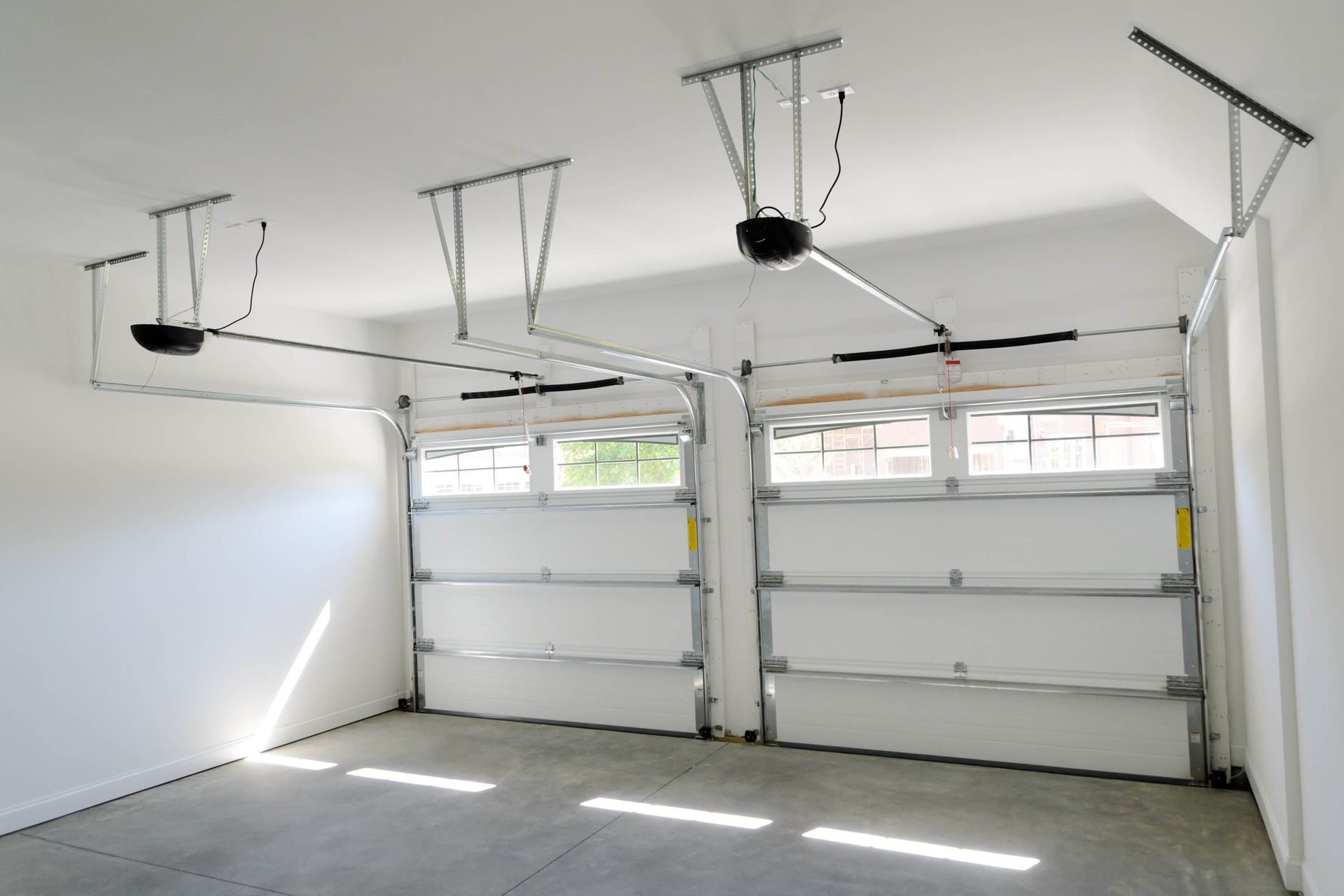
Mechanical problems are among the most common issues faced by garage door owners. These can include misaligned tracks, broken springs, or worn-out rollers, each requiring specific attention to resolve. Proper diagnosis of these issues is crucial in determining whether repair or replacement is the best course of action.
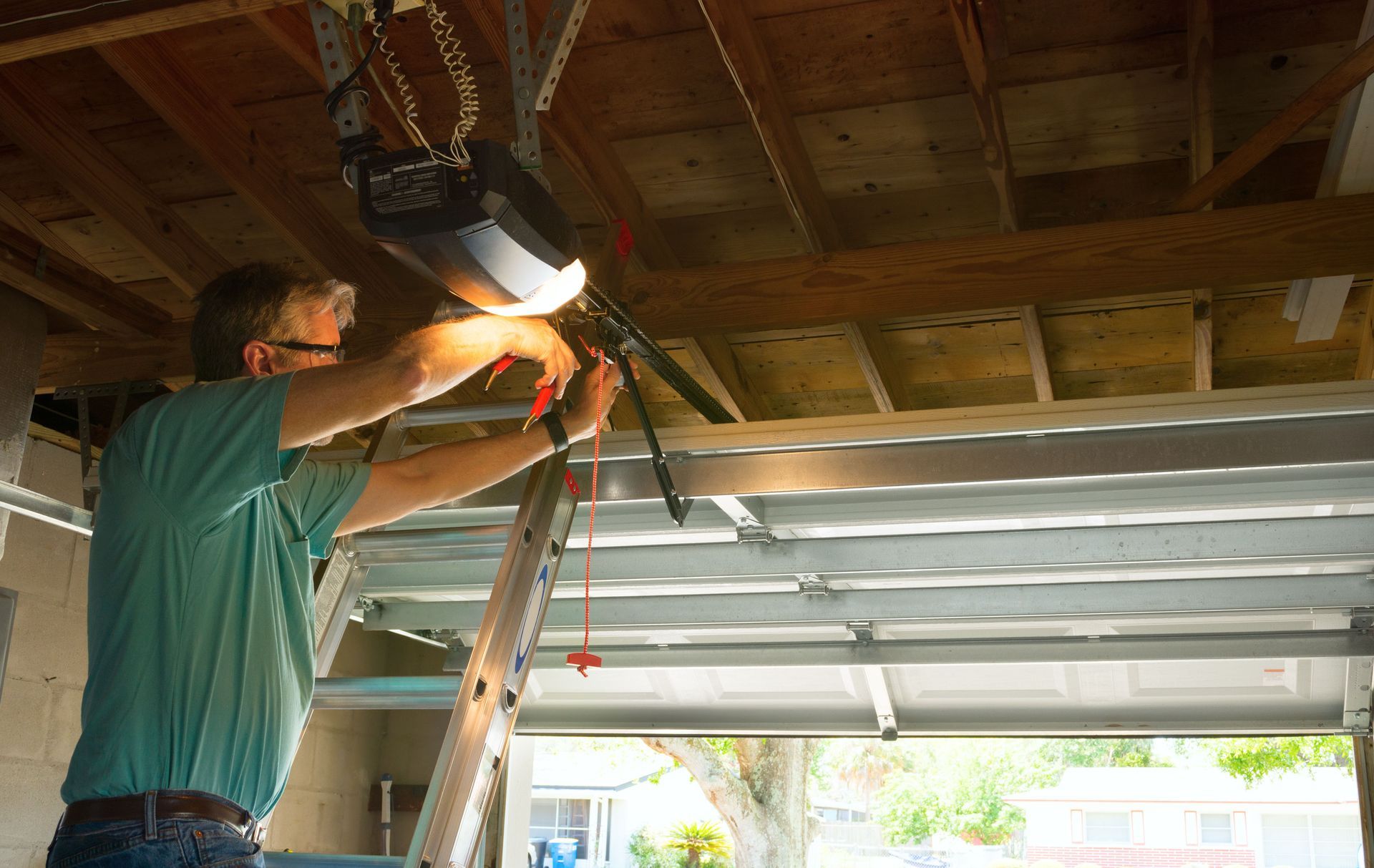
Electrical issues can also plague garage door systems, often manifesting as malfunctioning remote controls or sensor problems. Simple fixes such as replacing batteries or adjusting sensor alignment can sometimes suffice. In more severe cases, professional intervention may be necessary to address these problems effectively.
Cosmetic damages like dents or peeling paint can compromise the appearance and potentially the structural integrity of a garage door. While some cosmetic repairs can be handled with DIY efforts, others may require professional services. Repair costs versus replacement costs can vary widely, making it essential to assess both before making a decision.
When to Consider Replacing Your Garage Door
Safety is a key concern when it comes to garage doors, as malfunctioning systems can cause serious injuries. If the garage door's safety features, such as auto-reverse mechanisms, are compromised, replacement should be considered immediately. When evaluating performance, efficiency, and safety, sometimes replacement offers the best outcome.
Evaluating efficiency and performance is another consideration when determining whether to use a garage door repair company. Older doors may lack the thermal efficiency of newer models, leading to increased energy costs. A cost-benefit analysis of replacement can enlighten you on the advantages of improved insulation and energy efficiency that a new door might offer.
According to the Journal of Light Construction, replacing a garage door offers the highest return on investment of any home improvement project in 2024, averaging a 193.9% ROI. In addition to financial benefits, replacing a garage door enhances home value and aesthetic appeal. A new, well-chosen garage door can transform your home's exterior, making it more visually appealing and potentially attracting potential buyers.
Choosing the Right Replacement Door
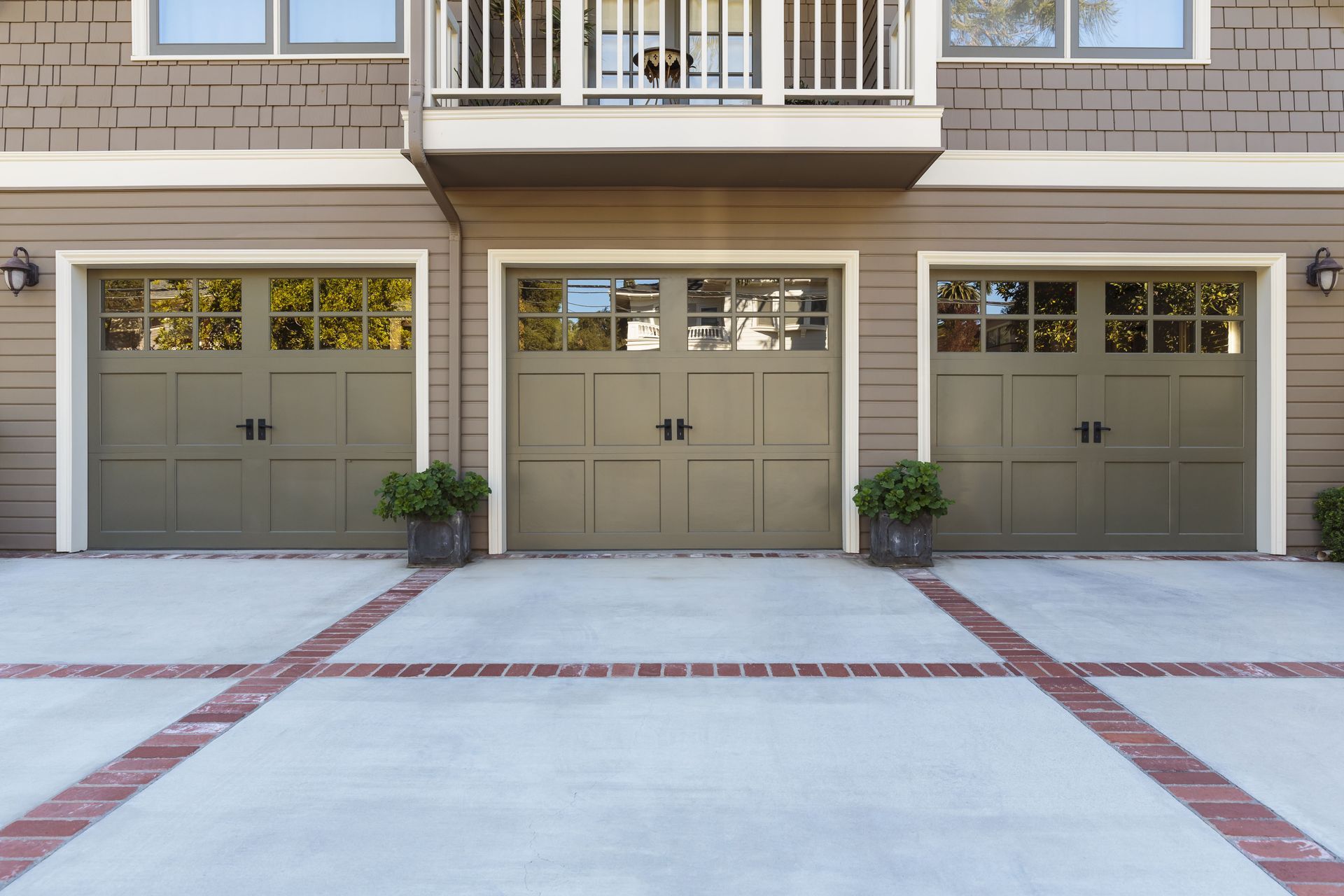
Choosing the right garage door repair company involves understanding the pros and cons of different types of garage doors. The choice ranges from traditional swing doors to modern roll-up doors, each with unique benefits and limitations. Evaluating these options can help you determine which type suits your home's architecture and your personal needs.
Material considerations play a significant role in the decision-making process, with options including steel, wood, aluminum, and fiberglass. Each material offers varying levels of durability, maintenance requirements, and aesthetic appeal. Steel, for instance, is sturdy and low-maintenance, while wood offers classic charm but requires more upkeep.
Insulation and energy efficiency should not be overlooked when selecting a replacement garage door. Insulated doors can improve the thermal efficiency of the garage space, reducing energy loss and aiding in climate control. Additionally, exploring the latest trends and technological features, such as smart garage door systems, can provide added convenience and security.
Cost Considerations: Repairing vs. Replacing
Understanding the initial investment is critical when weighing repair versus replacement options. Repairing may seem cost-effective in the short term, but frequent repairs can accumulate significant expenses over time. Comparing upfront costs with long-term savings from improved efficiency and reduced repair needs is essential.
Long-term financial implications include the ongoing cost of maintenance, potential increase in energy bills with an inefficient door, and the anticipated lifespan of the new installation. Weighing these factors can help assess the true financial impact of your choice with a garage door repair company. Hidden costs, such as unexpected repair needs or structural adjustments, should also be factored into your budgeting.
Financing options and budgeting tips can ease the financial burden of replacement. Many companies offer flexible payment plans, while budgeting tips can help you allocate funds wisely. Ultimately, evaluating the return on investment is essential, ensuring the financial outlay contributes positively to your property's value and utility.
Decision-Making: Repair or Replace
A checklist for making the right decision includes assessing the extent of damage, the frequency of repairs, and your current and future budgetary constraints. Consider seeking a professional evaluation to understand the full scope of any issues. Consulting with experts can provide trustworthy advice and insights into both repair and replacement options.
Personal preferences and lifestyle considerations can heavily influence your decision when considering a garage door repair company. Factors such as the desired aesthetic look, energy efficiency expectations, and convenience features like smart technology integration should be considered. Risk assessment involves weighing the possibilities of future malfunctions and potential safety concerns against the benefits of a new installation.
Making the final call requires a step-by-step approach considering the collected data, expert opinions, and personal circumstances. An informed decision allows for peace of mind, ensuring the chosen solution effectively meets your needs. Ultimately, whether you choose to repair or replace, the goal should be to enhance functionality and satisfaction within your home.
Deciding whether to repair or replace a malfunctioning garage door ultimately comes down to understanding its condition, projected lifespan, and the value it brings to your home. By examining factors such as age, frequency of repairs, and overall performance, homeowners can make a more confident and informed choice. While many issues—like misaligned tracks or sensor malfunctions—can be resolved through routine repairs, persistent problems or compromised safety features often signal that replacement is the more practical and responsible option.
Beyond functionality, a new garage door can significantly elevate your home’s appearance, energy efficiency, and overall value. With modern advancements in materials, insulation, and smart technology, replacement doors offer benefits that go well beyond improved operation. Although the initial cost may be higher, the long-term savings and return on investment—both financial and functional—can make replacement the wiser choice in many cases.
Ultimately, the decision rests on balancing immediate needs with long-term benefits. Assessing repair costs, energy efficiency, safety considerations, and aesthetic goals will help guide you toward the most cost-effective and satisfying solution. Whether you choose to repair or replace, ensuring that your garage door operates safely, efficiently, and reliably will enhance both your home’s comfort and your peace of mind. Are you in need of a garage door repair company? Contact Four Seasons Garage Doors today!